
Science
The objectives of RAMSES are the following: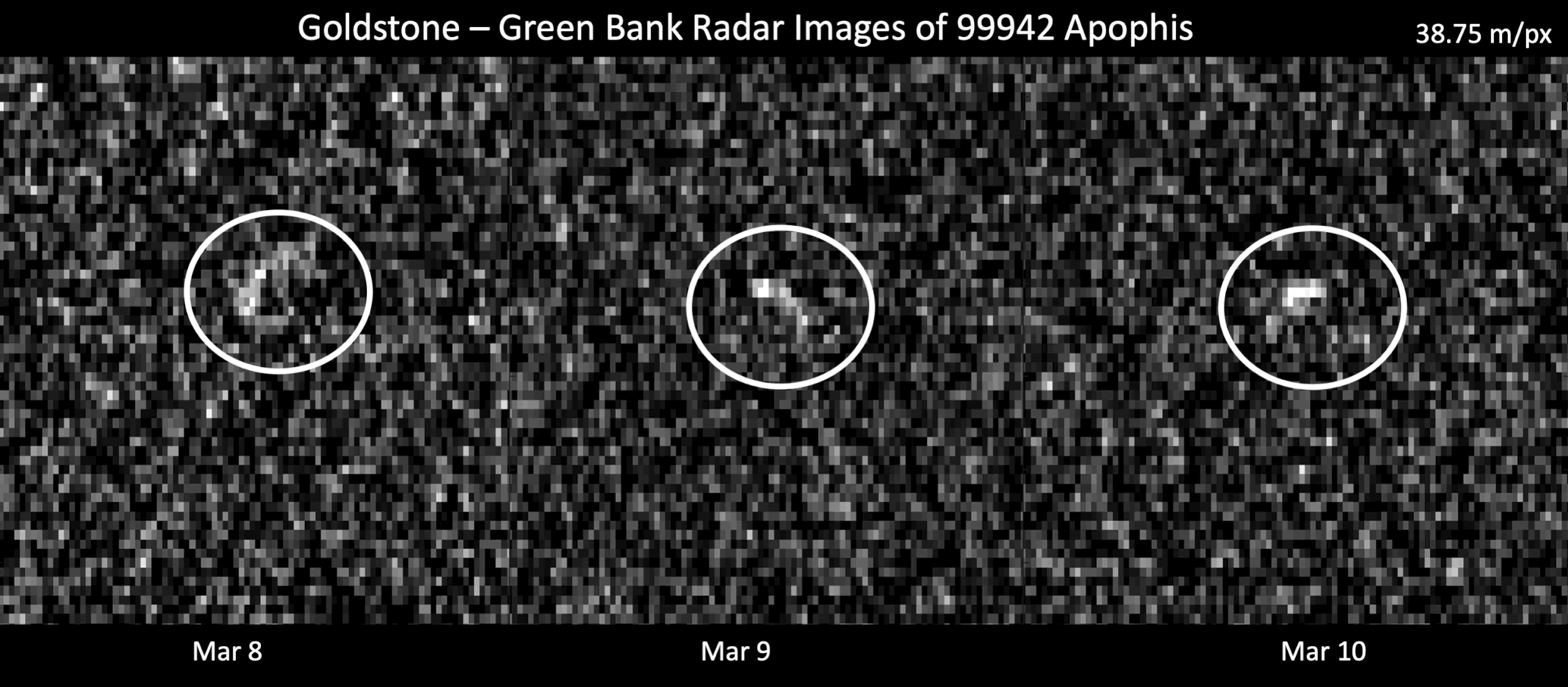
Characterize Apophis at high resolution before, during and after its closest approach to Earth, which includes:
The orbit
The spin state, orientation and modification (1%)
The shape, the surface properties and their changes (10 cm resolution)
The internal structure
The presence of dust (< 1 mm)
The cohesion
The mass, density and porosity (1%)
Monitor Apophis with high temporal resolution (1min) during the encounter.
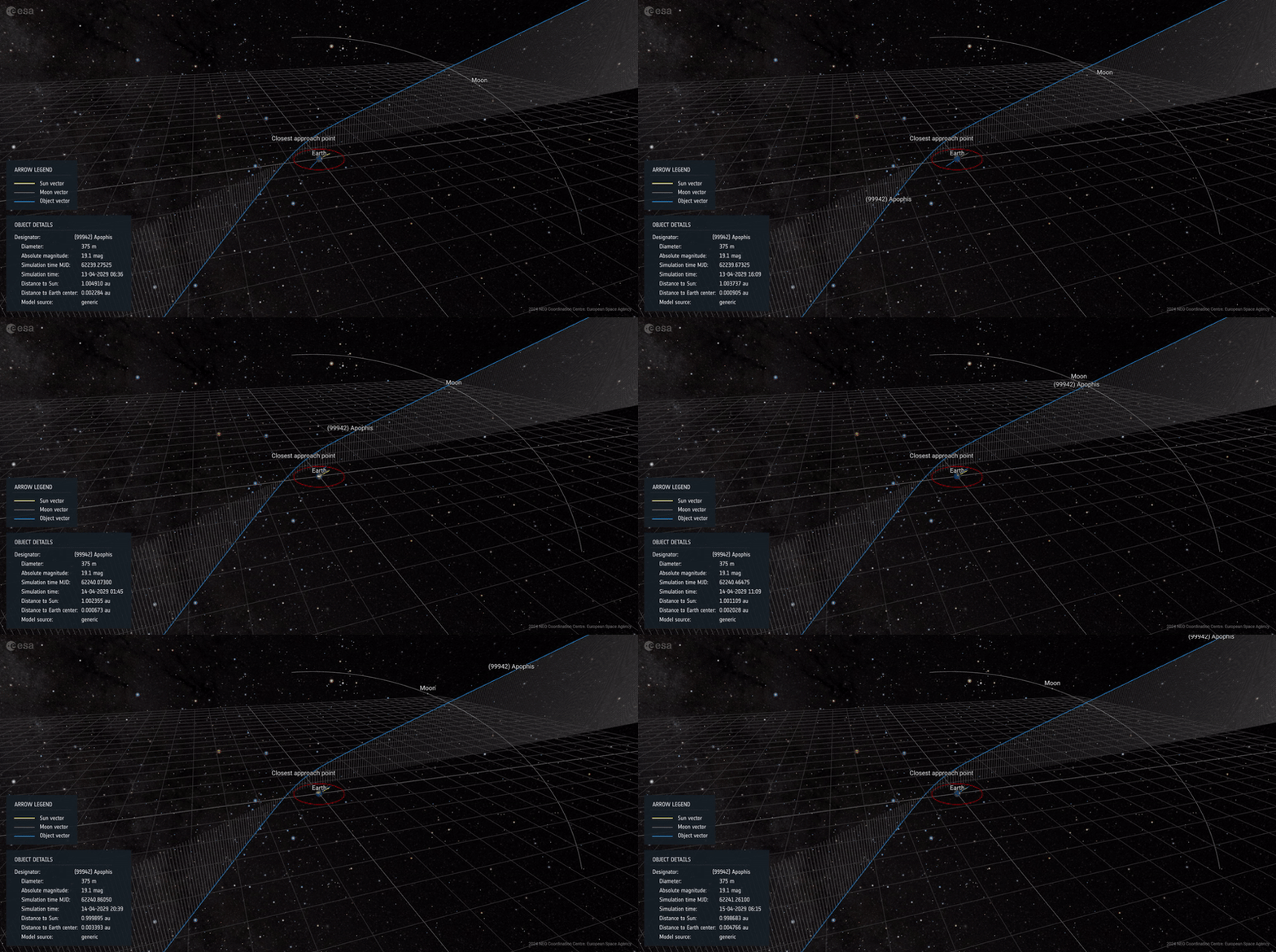
The close approach of Apophis to Earth offers a unique opportunity to investigate how the physical properties of an asteroid can change as a result of external forces from Earth. On that date, nature is performing the “experiment” of subjecting the physical body of Apophis to Earth’s tidal torques as it approaches to within 32,000 km of Earth’s surface, a distance that is closer than orbiting geosynchronous satellites. Because of this event’s incredible rarity, knowledge gained through measurements and outcomes of the Apophis 2029 “natural experiment” are clearly an opportunity for planetary science and defence. In addition, the latest and most advanced models for the stress induced on the surface and in the interior of Apophis are in agreement that measurable changes, including the likelihood of seismic vibrations, will occur within the few hours during and after the Earth encounter. We note that in sixty years of planetary exploration, seismicity and internal structure determination through seismic measurements have been achieved for only three planetary worlds: Earth, Moon, and Mars. Therefore, the Apophis “natural experiment” presents an astounding opportunity to achieve a new scientific milestone and extend our knowledge of planetary interiors to the structure of small bodies; bodies that may require detailed understanding should an actual impact threat from any future asteroid discovery require mitigation.
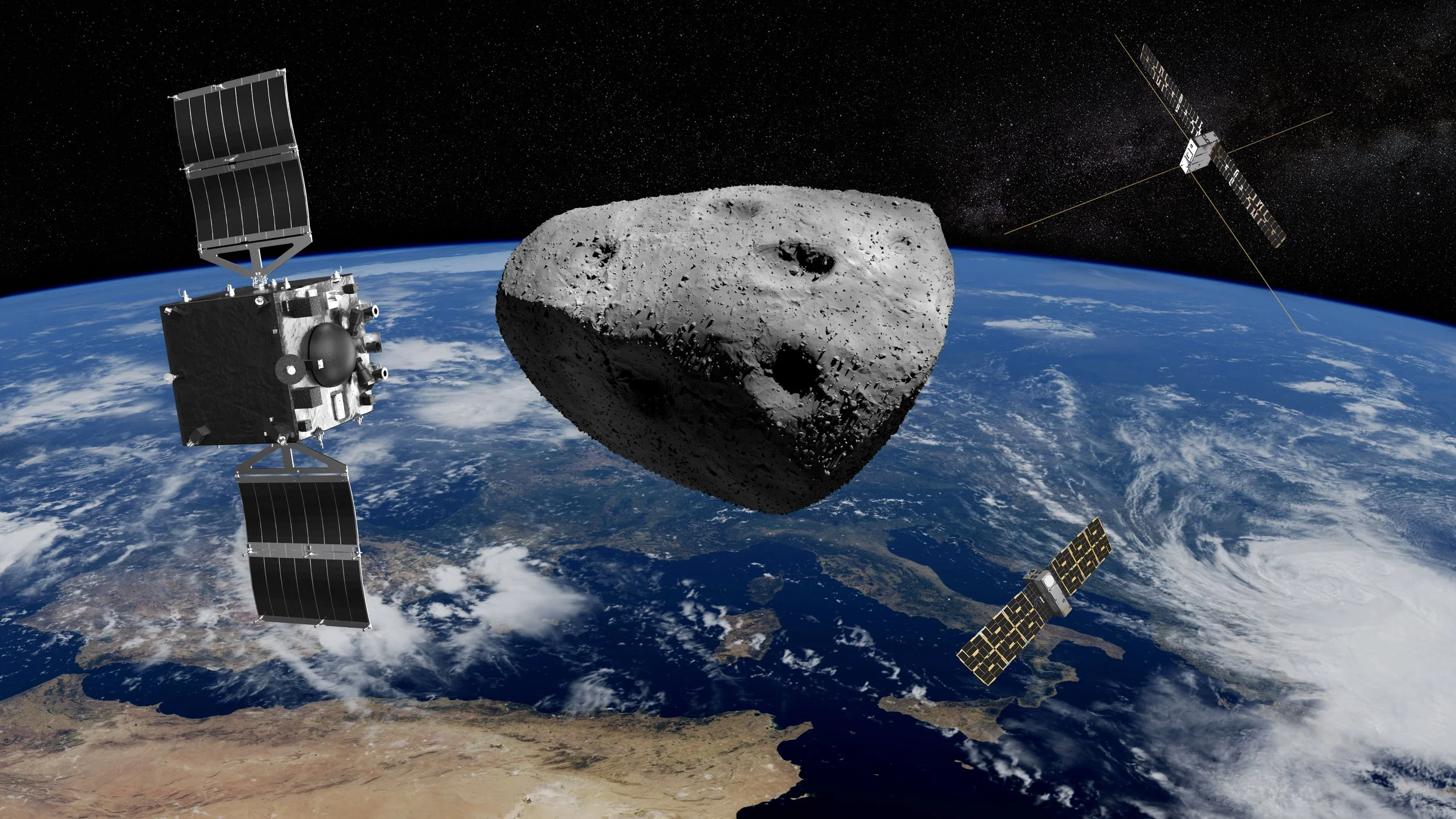
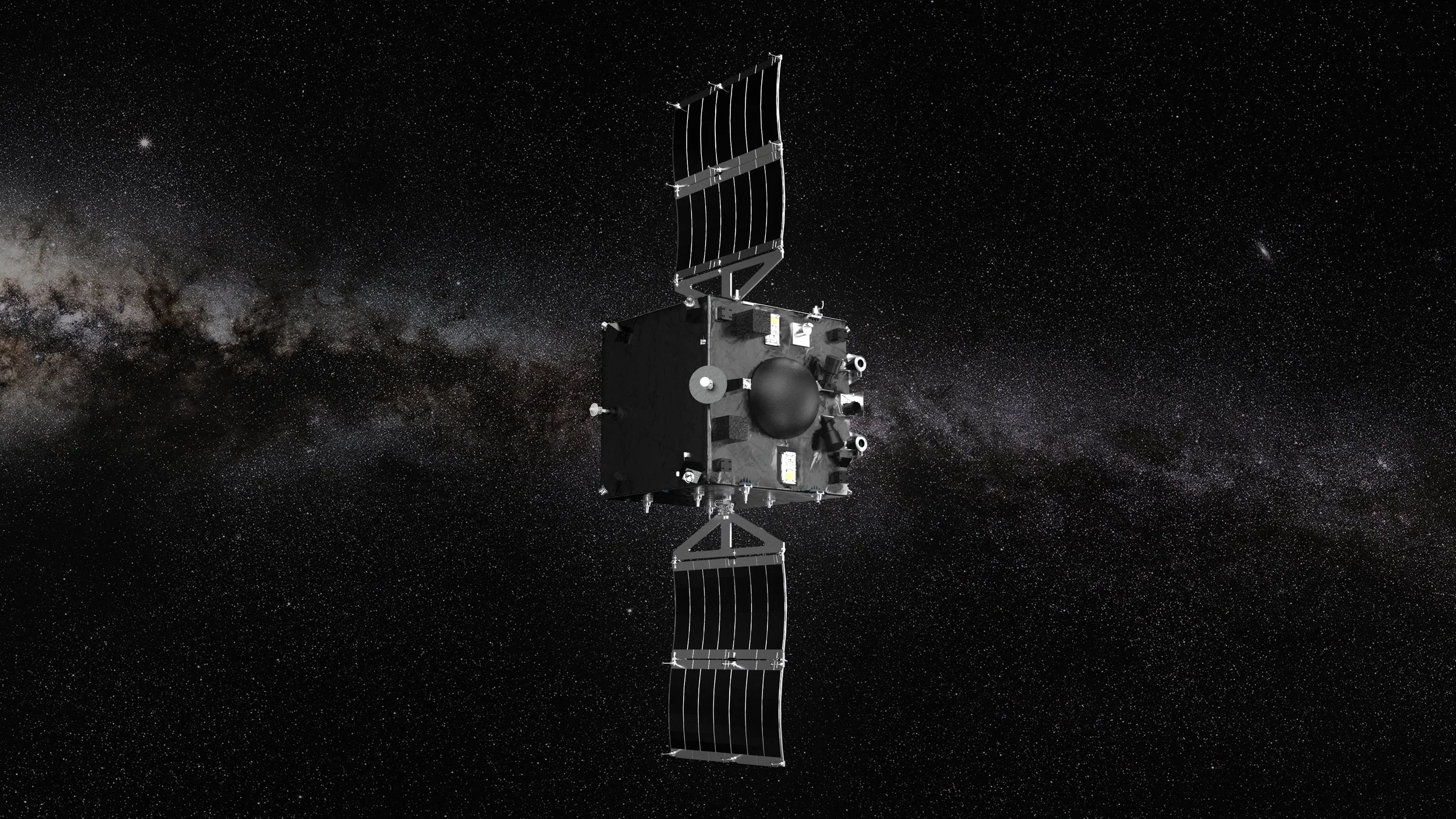
To achieve our science objectives, in addition to two cameras (wide angle and narrow angle) that constitutes the core payload, the RAMSES spacecraft will carry opportunity payload that including 3 different imaging capabilities in various wavelength up to the thermal infra-red ones (see dedicated page) as well as two cubesats, one carrying a low frequency radar and a dust detector/analyzer, one carrying the first seismometer for asteroid studies and a gravimeter. A radio science experiment will also be performed for apophis’ mass and gravity field determination.