
Ramses In The Media
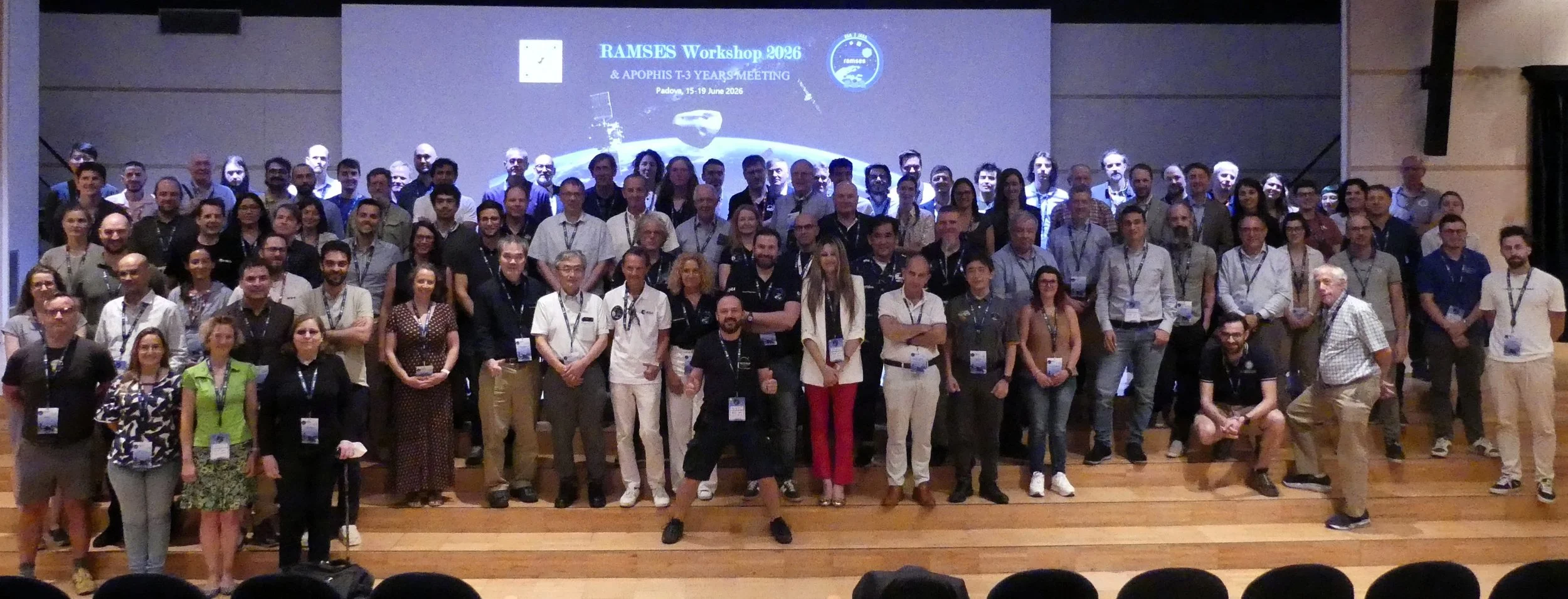
This week I had the pleasure of hosting at the Università di Padova the RAMSES Community Meeting and the Apophis T-3 Workshop, bringing together more than 280 participants, both in person and online, from space agencies, industry, research institutes and the international Apophis community.
On 13 April 2029, the asteroid Apophis will pass exceptionally close to Earth, offering a unique opportunity for asteroid science and planetary defence. RAMSES (Rapid Apophis Mission for Space Safety), the joint ESA–JAXA mission to Apophis, is being developed to rendezvous with the asteroid before this historic event and study it before, during and after the encounter.
As Principal Investigator of RAMSES and co-chair of the Apophis T-3 Workshop together with Richard Binzel (MIT), I was particularly pleased to welcome to Padova representatives from European Space Agency - ESA, JAXA: Japan Aerospace Exploration Agency, Italian Space Agency-ASI, industry partners and the international scientific community.
A special thank to Patrick Michel, ESA RAMSES Project Scientist, and Paolo Martino, ESA RAMSES Project Manager, whose vision, dedication and leadership have been instrumental in bringing the mission to its current stage.
Finally, I would like to thank my colleagues and the administrative staff at the Department of Physics and Astronomy, whose invaluable help made these meetings possible.
Apophis 2029 is getting closer.
Pr Monica Lazzarin
RAMSES PI, Università di Padova
Youtube Live discussion on the mission RAMSES and the associated ESA-JAXA cooperation between Pr. Masaki Fujimoto, ISAS/JAXA Director General, Pr. Makoto Yoshikawa, ISAS/JAXA Planetary Defense Group Lead, and Dr. Patrick Michel (CNRS and ESA). Link: https://www.youtube.com/live/dBpR0rLRipA?si=roDGDQJ8K1Jn9q_-
YouTubeライブ討論会:ミッション「RAMSES」と関連するESA-JAXA協力について登壇者:藤本正樹 教授(JAXA/宇宙科学研究所長)、吉川誠 准教授(JAXA/宇宙科学研究所 プラネタリーディフェンスチーム長)、パトリック・ミシェル 博士(CNRSおよびESA)リンク:https://www.youtube.com/live/dBpR0rLRipA?si=roDGDQJ8K1Jn9q_-

Ora possiamo rallegrarci per la recente approvazione della missione RAMSES, ottenuta durante il Consiglio ministeriale dell'ESA tenutosi a Brema il 27 novembre: https://www.esa.int/Newsroom/Press_Releases/Gli_Stati_Membri_dell_ESA_si_impegnano_a_stanziare_i_contributi_piu_consistenti_in_occasione_del_Consiglio_a_livello_Ministeriale
Photo credits: ESA - Ph. Servent.

Nous pouvons maintenant nous réjouir de l'approbation récente de la mission RAMSES, obtenue lors du Conseil ministériel de l'ESA à Brême le 27 novembre : https://www.esa.int/Newsroom/Press_Releases/Reunis_au_niveau_ministeriel_les_Etats_membres_de_l_ESA_annoncent_des_souscriptions_d_un_montant_historique
Photo Credits: ESA - Ph. Servent.

We may celebrate the recent approval of the RAMSES mission, reached at the ESA Ministerial Council in Bremen on 27 November: https://www.esa.int/Newsroom/Press_Releases/ESA_Member_States_commit_to_largest_contributions_at_Ministerial
(photo copyright ESA)

Patrick Michel and Paulo Martino, respectively Project Scientist and Project Manager of the RAMSES mission, met ESA Director General Josef Aschbacher at the International Astronautical Congress (IAC), an event bringing together space agencies, industry leaders, academic researchers, and students from every corner of the globe.
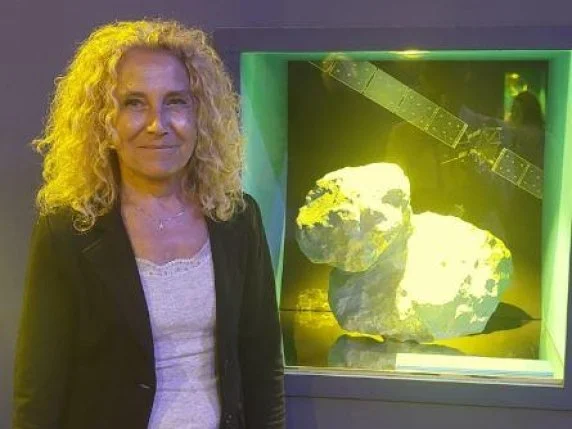
di Tommaso Moretto nell Corriere del Veneto
La docente padovana ora è impegnata nello studio di Apophis, che sfiorerà la Terra nel 2029. «Le stelle cadenti? Non c'è solo agosto, a settembre altri fenomeni»
Il seguito è disponibile al seguente link :
https://corrieredelveneto.corriere.it/notizie/padova/cronaca/25_agosto_18/monica-lazzarin-l-astrofisica-veneta-che-ci-protegge-dagli-asteroidi-nel-2022-abbiamo-deviato-l-orbita-di-un-pianeta-015553d2-6bfa-42e1-ae5b-65c5da68fxlk.shtml?refresh_ce
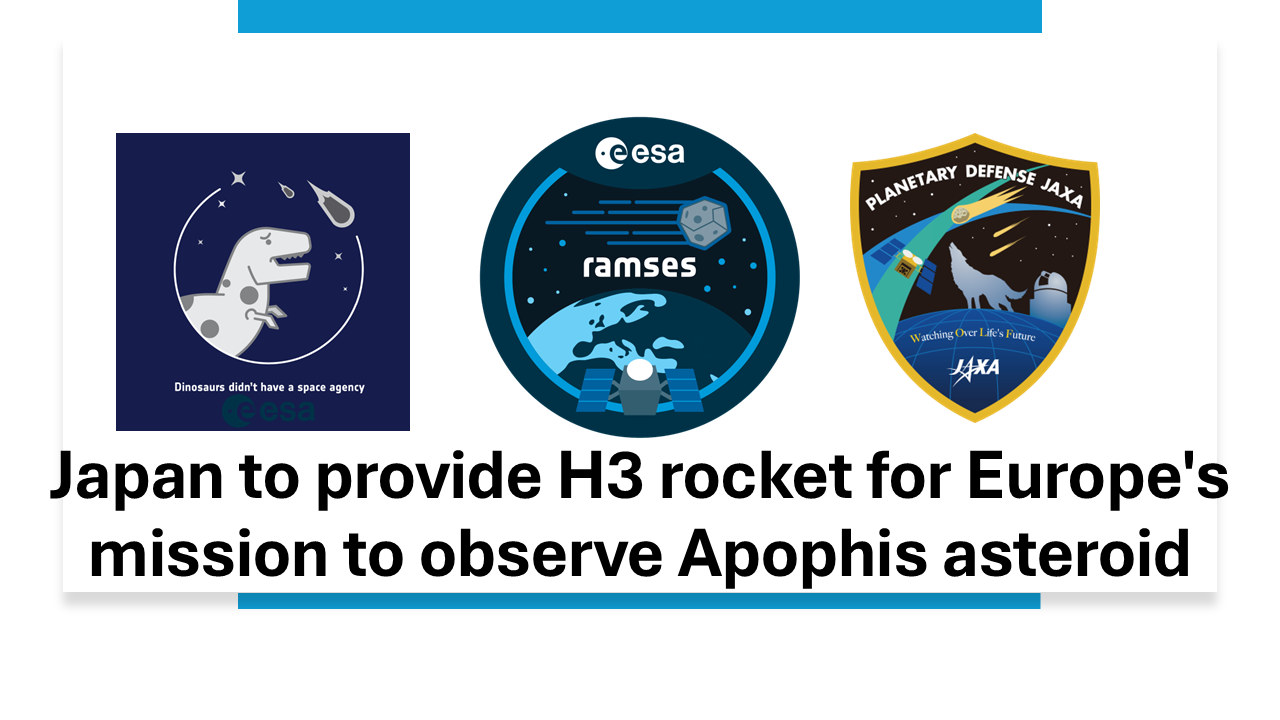
TOKYO, Aug 22 (Reuters) - Japan will join a European project to observe the Apophis asteroid when it passes close to the Earth by providing the H3 rocket as a launch vehicle, a Japanese space agency official said on Friday.
The Japan Aerospace Exploration Agency (JAXA) will join the European Space Agency (ESA)'s Ramses mission to observe Apophis, which makes a close encounter with the Earth in 2029, JAXA Vice President Masaki Fujimoto said.
Further reading of this article on Reuters’ webpage : https://www.reuters.com/business/aerospace-defense/japan-provide-h3-rocket-europes-mission-observe-apophis-asteroid-2025-08-22/
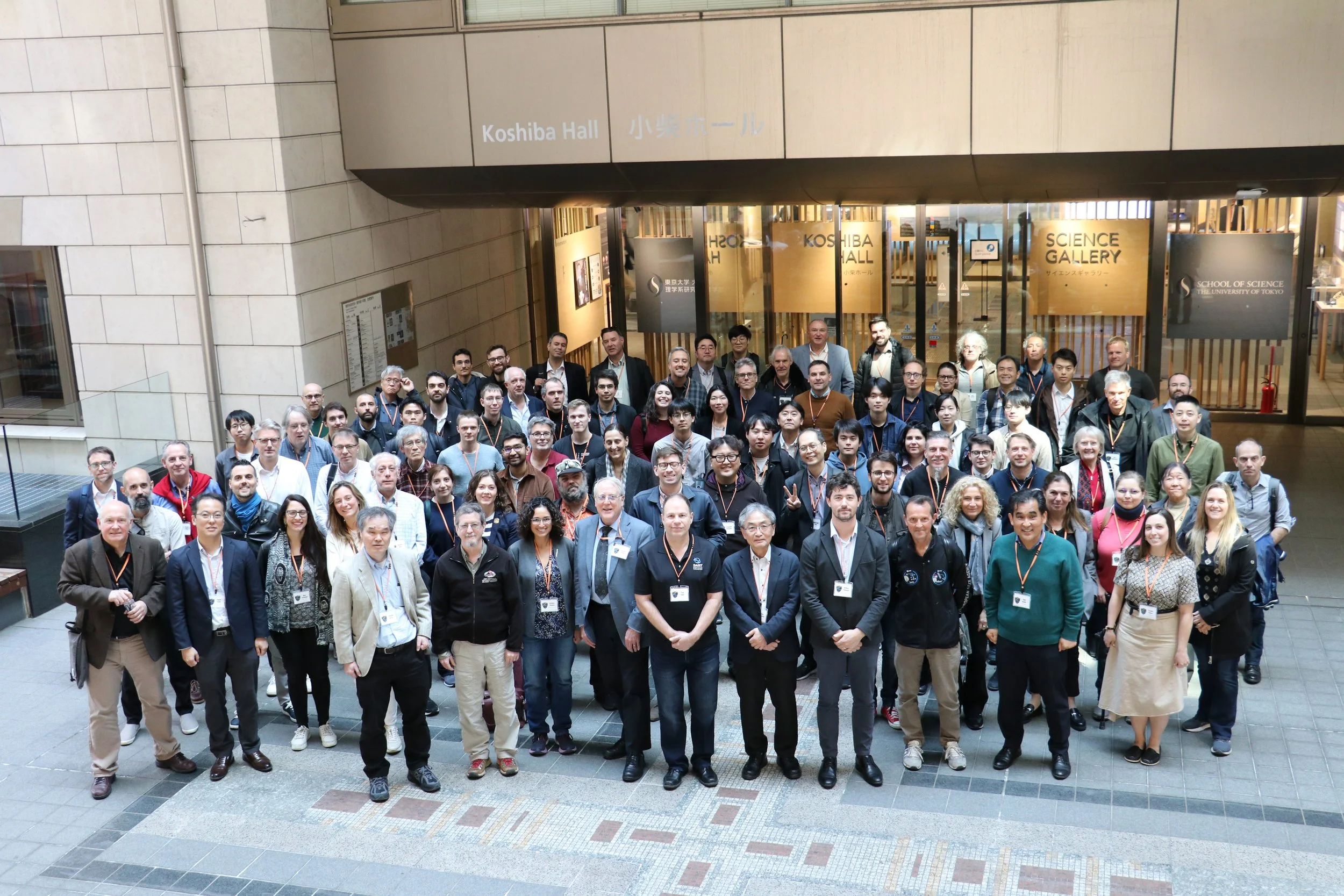
The Hera, Apophis-4 and RAMSES workshop at Tokyo University were a trumendous success, with over 330 participants both on site and online.
At the University of Tokyo, the scientific community involved in NEO space research and the space agencies involved met for a week for 3 workshops, one devoted to the Hera mission, the second to the asteroid Apophis, 4 years away from its near-Earth passage, and the third to the RAMSES mission, which will rendezvous with Apophis to measure the influence of the Earth's tidal forces during its closest passage to Earth on Friday 13 April 2029. The Apophis T-4 years workshop provided an opportunity for all the projects working on Apophis to share their mission objectives and discuss how they can be coordinated to make the most of this unique opportunity. Several probes are planning to reach Apophis and ‘no one will win or lose’, insists Dr Patrick Michel. If the AMON-RA+ international planetary defence coordination, which currently includes the RAMSES (ESA), APEX (NASA) and DESTINY+ (JAXA) missions, goes according to plan, we will all have a better understanding of how to protect the Earth from these destructive asteroids.
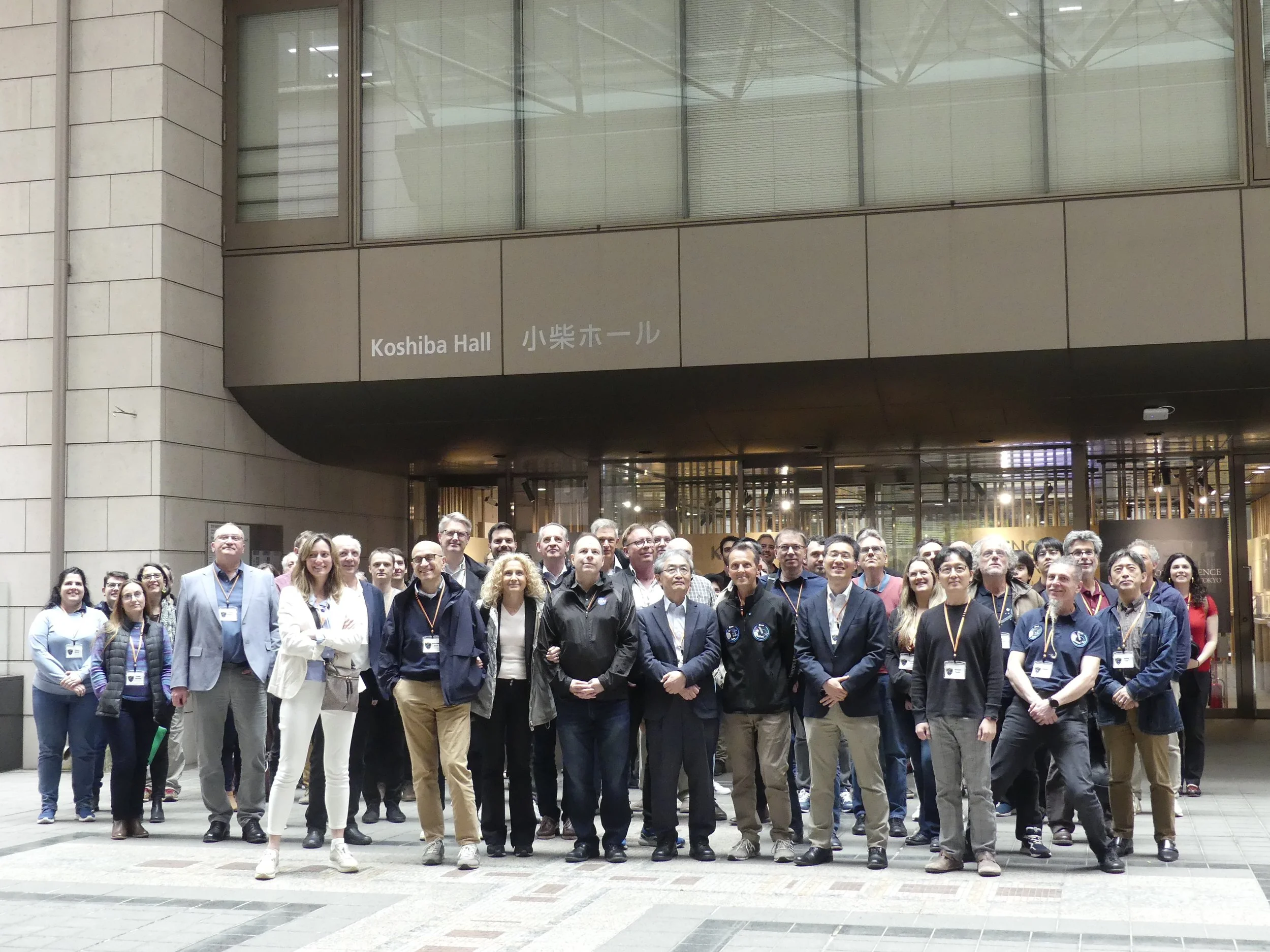
Les ateliers Hera, Apophis-4 et RAMSES organisés à l'Université de Tokyo ont connu un succès retentissant, avec plus de 330 participants sur place et en ligne.
A l'Université de Tokyo, la communauté scientifique de la recherche spatiale sur les géocroiseurs et les agences spatiales impliquées se sont réunies une semaine pour 3 ateliers, l'un consacré à la mission Hera, le deuxième à l'astéroïde Apophis, à 4 ans de son passage près de la Terre, et le troisième à la mission RAMSES qui effectuera un rendez-vous avec Apophis pour mesurer l'influence des forces de marées terrestres lors de son passage le plus proche de la Terre le Vendredi 13 Avril 2029. L'atelier Apophis T-4 ans a offert l'occasion à tous les projets qui s'y consacrent de partager leurs objectifs de mission et de discuter de leur coordination pour tirer profit au maximum de cette occasion unique. Plusieurs sondes envisagent d'atteindre Apophis et “ personne ne sera gagnant ou perdant ”, insiste le Dr. Patrick Michel. Si la coordination internationale de Défense Planétaire AMON-RA+ qui comprend pour l'instant les mission RAMSES (ESA), APEX (NASA) et DESTINY+ (JAXA) se déroule comme prévu, nous pourrons tous mieux comprendre comment protéger la Terre de ces astéroïdes destructeurs.
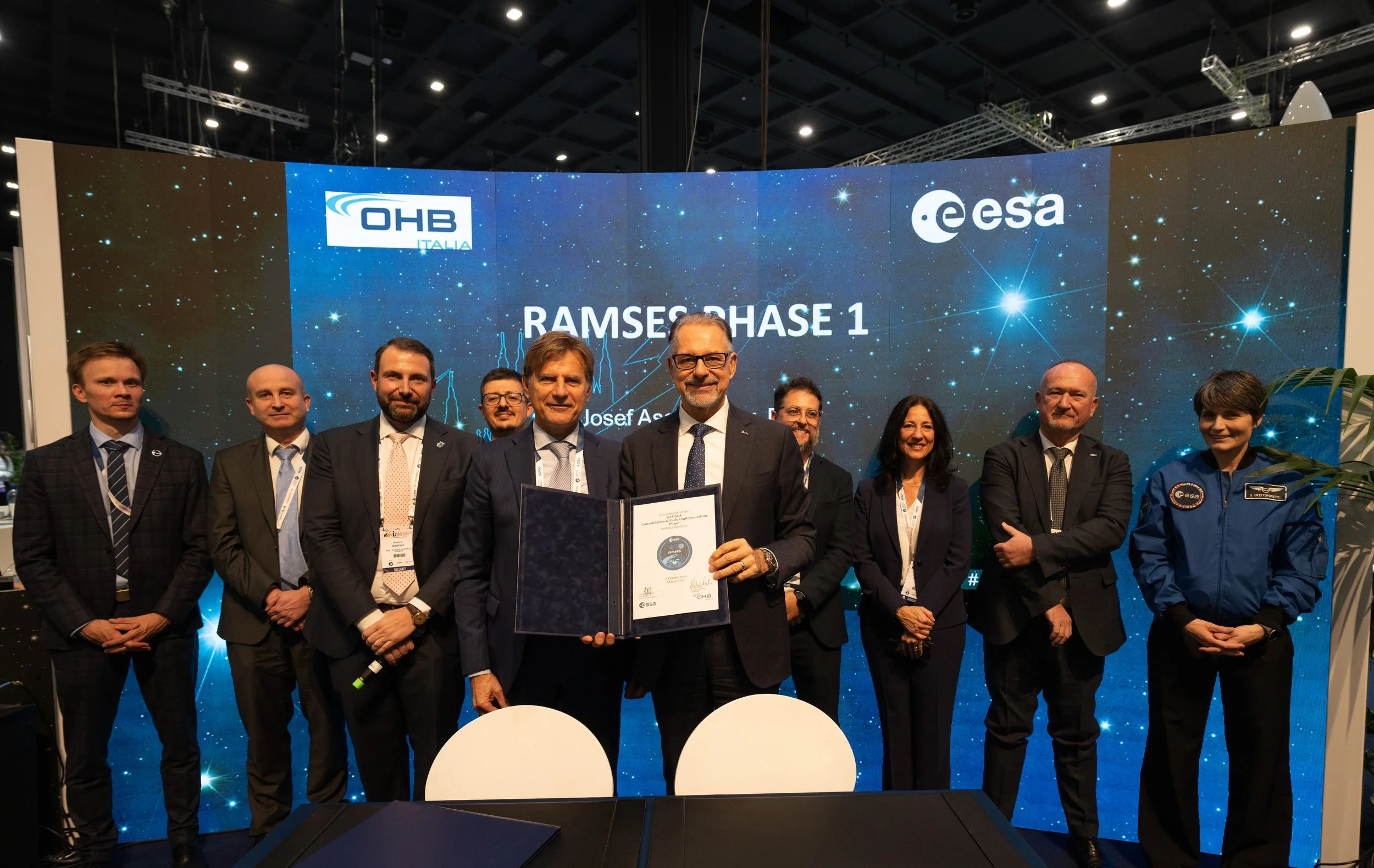
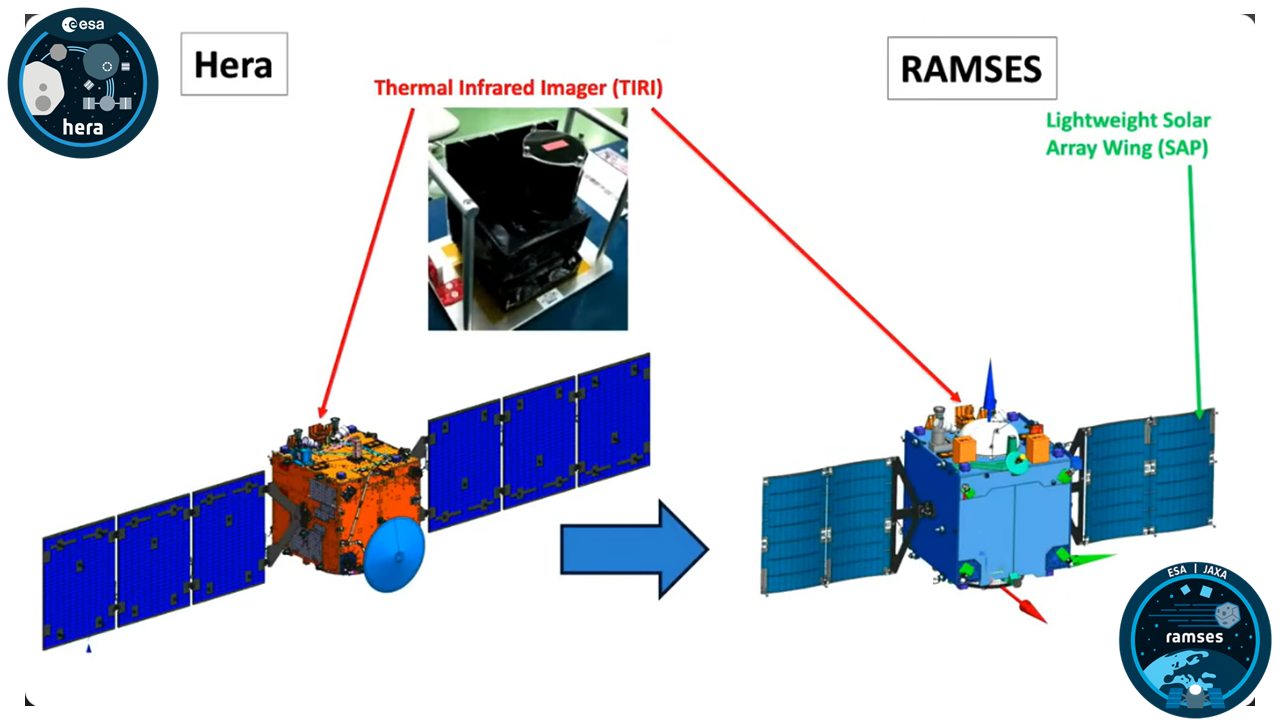
ESA has signed a contract with OHB Italia SpA worth €63 million to begin preparatory work on the Agency’s proposed Ramses mission to the infamous asteroid Apophis.
Further reading on this ESA’s webpage: https://www.esa.int/Space_Safety/Planetary_Defence/ESA_moves_forward_with_Apophis_mission_preparations
Photo credit: ESA - P. Sebirot
The Japan Aerospace Exploration Agency (JAXA) has requested funding to participate in the European Space Agency’s (ESA) Rapid Apophis Mission for Space Safety (Ramses).
Further reading on ESA’s website:https://www.esa.int/Space_Safety/Planetary_Defence/ESA_and_JAXA_advance_potential_Apophis_mission_collaboration

On 16 July 1994, astronomers watched in awe as the first of many pieces of the Shoemaker-Levy 9comet slammed into Jupiter with incredible force. The event sparked intense interest in the field of planetary defence as people asked: “Could we do anything to prevent this happening to Earth?”
“For the first time ever, nature is bringing one to us and conducting the experiment itself. All we need to do is watch as Apophis is stretched and squeezed by strong tidal forces that may trigger landslides and other disturbances and reveal new material from beneath the surface."
Ramses needs to launch in April 2028 to allow for an arrival at Apophis in February 2029, two months before the close approach. In order to meet this deadline, ESA requested permission to begin preparatory work on the mission as soon as possible using existing resources. This permission has been granted by the Space Safety programme board. The decision whether to commit to the mission in full will take place at ESA’s Ministerial Council Meeting in November 2025.
Further reading on ESA’s webpage: https://www.esa.int/Space_Safety/Planetary_Defence/Ramses_ESA_s_mission_to_asteroid_Apophis
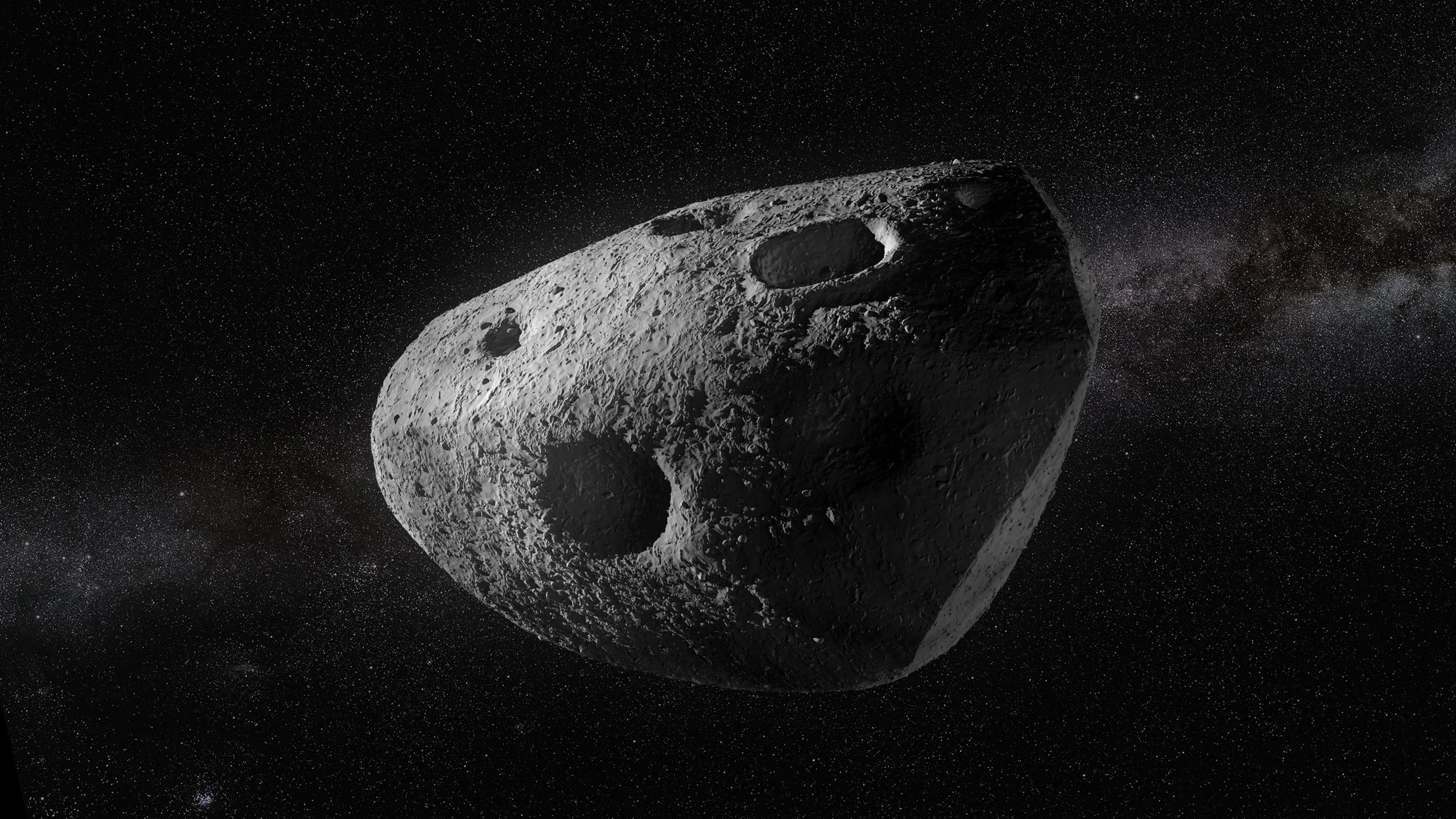
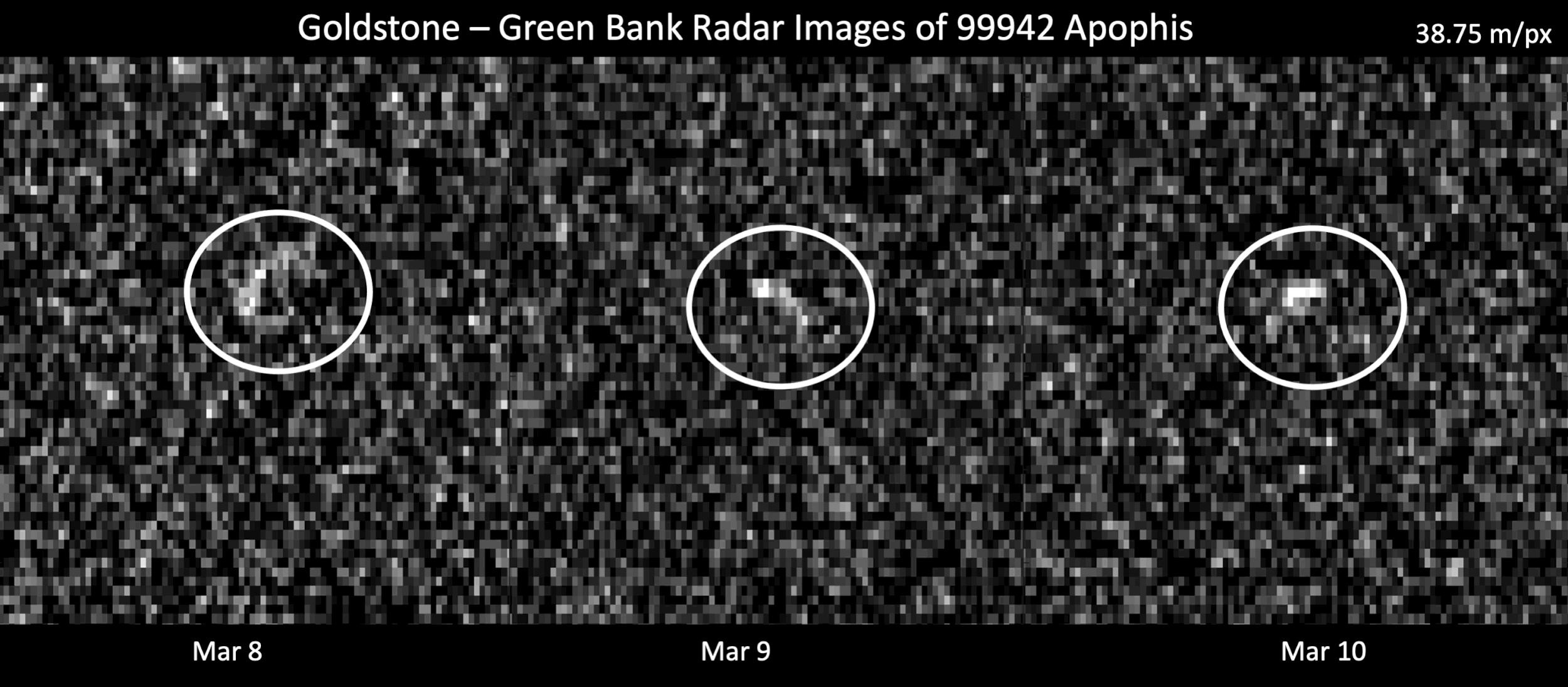
(99942) Apophis (formerly named 2004 MN4) is a near-Earth asteroid and a potentially hazardous object, 450 metres by 170 metres in size. Observations eliminated the possibility of an impact on Earth in 2029, when it will pass the Earth at a distance of about 31,600 kilometres above the surface. It will also have a close encounter with the Moon, passing about 95,000 km from the lunar surface. When Apophis was discovered in 2004, the initial observations indicated a small chance that it could impact Earth in 2029, 2036 or 2068. A collision would have been devastating, and so the asteroid was named after the Egyptian god of chaos and destruction. Later observations ruled out any chance of impact for at least the next 100 years.
For further reading on ESA website, click here: https://www.esa.int/Space_Safety/Planetary_Defence/Apophis
See other ESA Hera stories here: