RAMSES
Rapid Apophis Mission for SpacE Safety
an ESA-JAXA mission
Welcome to RAMSES community website
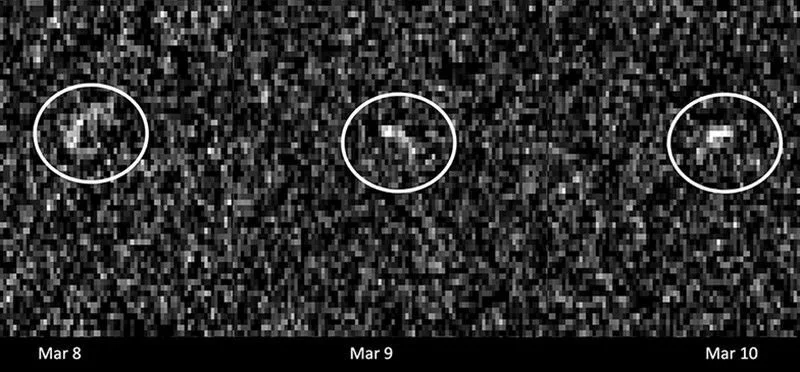
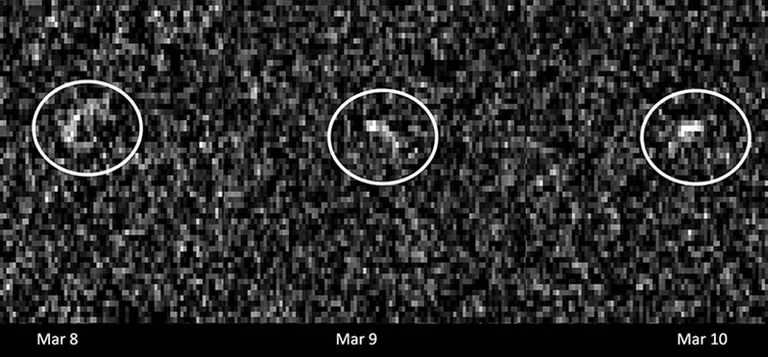
When Apophis was discovered in 2004, it appeared the asteroid could potentially impact Earth in the coming decades. Now, there is NO RISK of any impact. Astronomers closely tracked the asteroid, and now ESA and NASA are both confident that there is no risk of Apophis impacting our planet for at least 100 years.
Apophis was discovered on June 19, 2004, by astronomers Roy Tucker, David Tholen, and Fabrizio Bernardi at the Kitt Peak National Observatory in Tucson, Arizona. During the past two decades, international observational campaigns have been organized to track it, eliminating any risk of impact during its next passages close to our planet in 2029, 2036, 2044 and 2068. Therefore, Apophis has been ranked down on the potentially hazardous objects’ list.
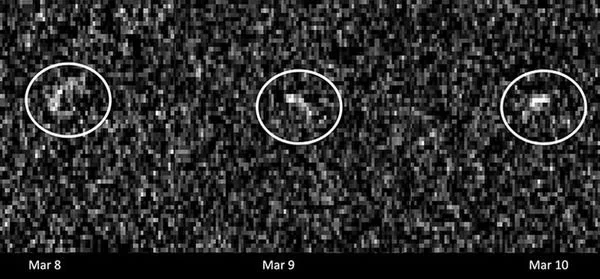
Credit: NASA/JPL-Caltech and NSF/AUI/GBO
History
ESA has been a pioneer in the study of space missions devoted to Planetary Defence, starting in 2002 with 6 concept studies, followed by the creation of the Near-Earth Object Mission Advisory Panel (NEOMAP) who recommended the study of the Don Quijote concept. This paved the way to what became two missions: NASA’s DART and ESA’s Hera, with the support of the AIDA, an international collaboration of scientists. Hera was successfully launched on October 7, 2024 to reach Didymos in October 2026, giving confidence that a mission relying on the same concept could be developed in a short timescale to visit Apophis in 2029.
↓ DOWNLOAD NEOMAP REPORT
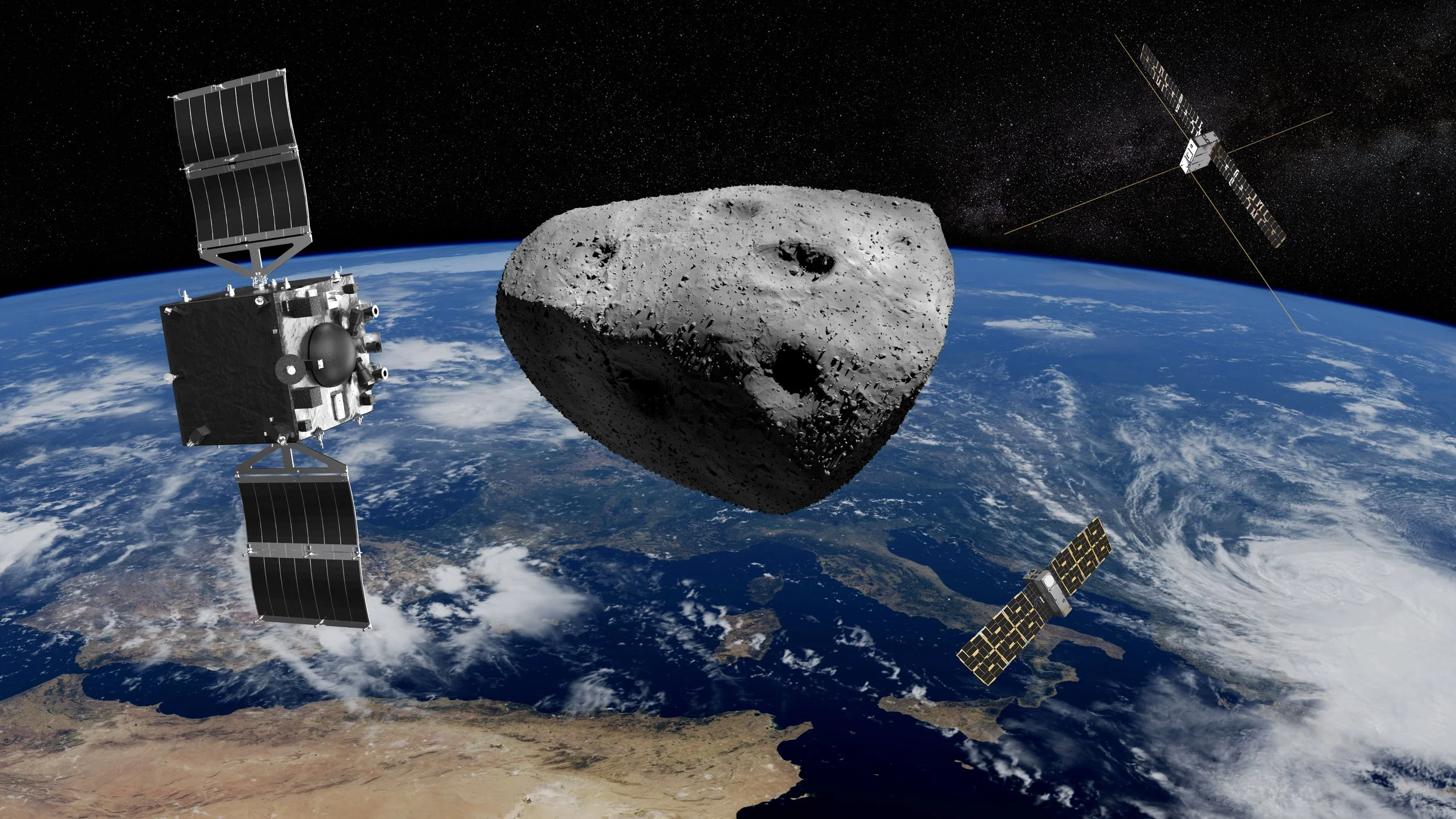
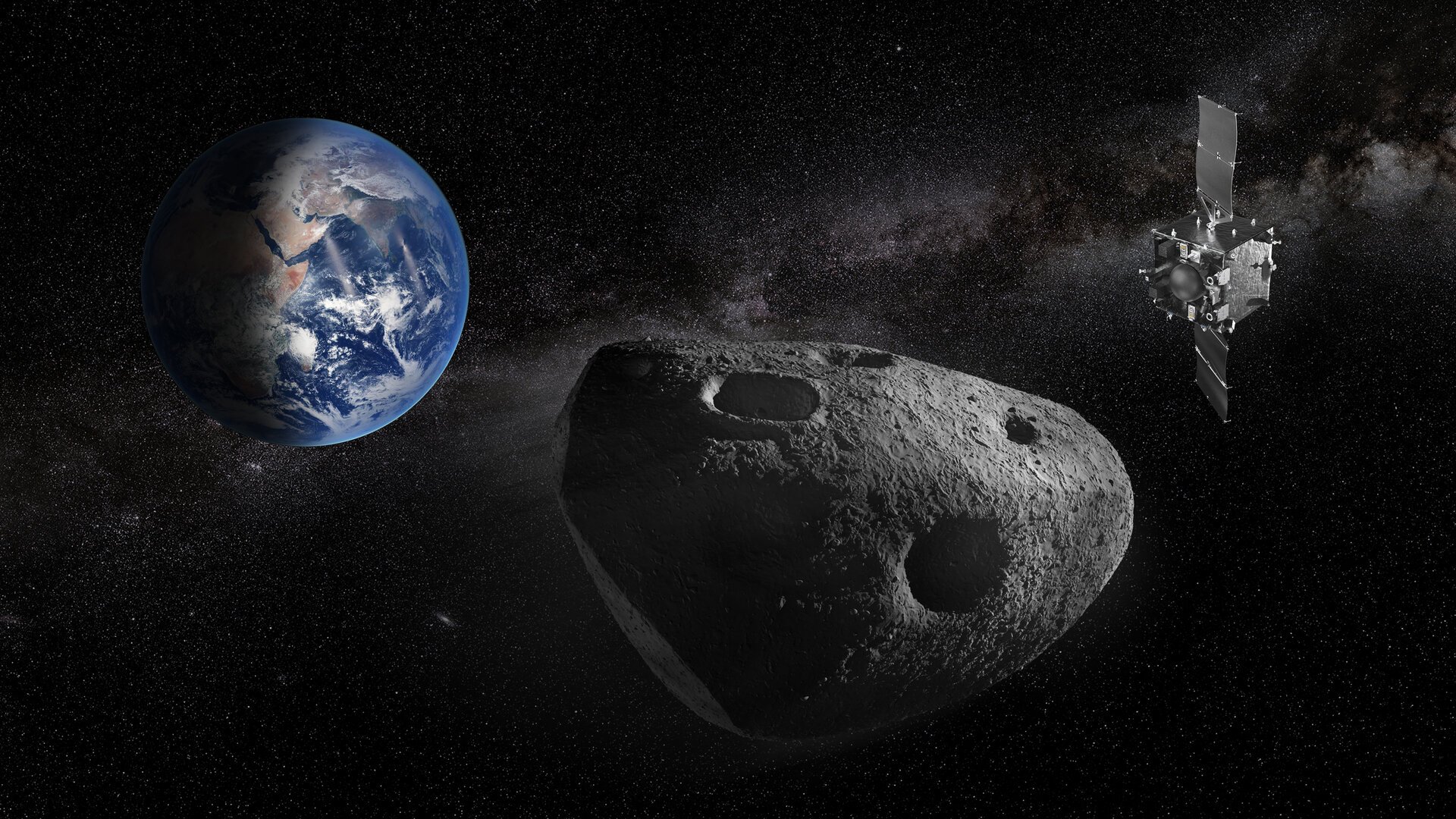
RAMSES, which stands for Rapid Apophis Mission for SpacE Safety, is ESA’s contribution in partnership with JAXA to the investigation of Apophis during its close approach to Earth. Apophis is safely coming towards Earth, passing by our planet at an approximate distance of 31,600 kilometers on Friday April 13, 2029 ... A unique opportunity for all mankind!
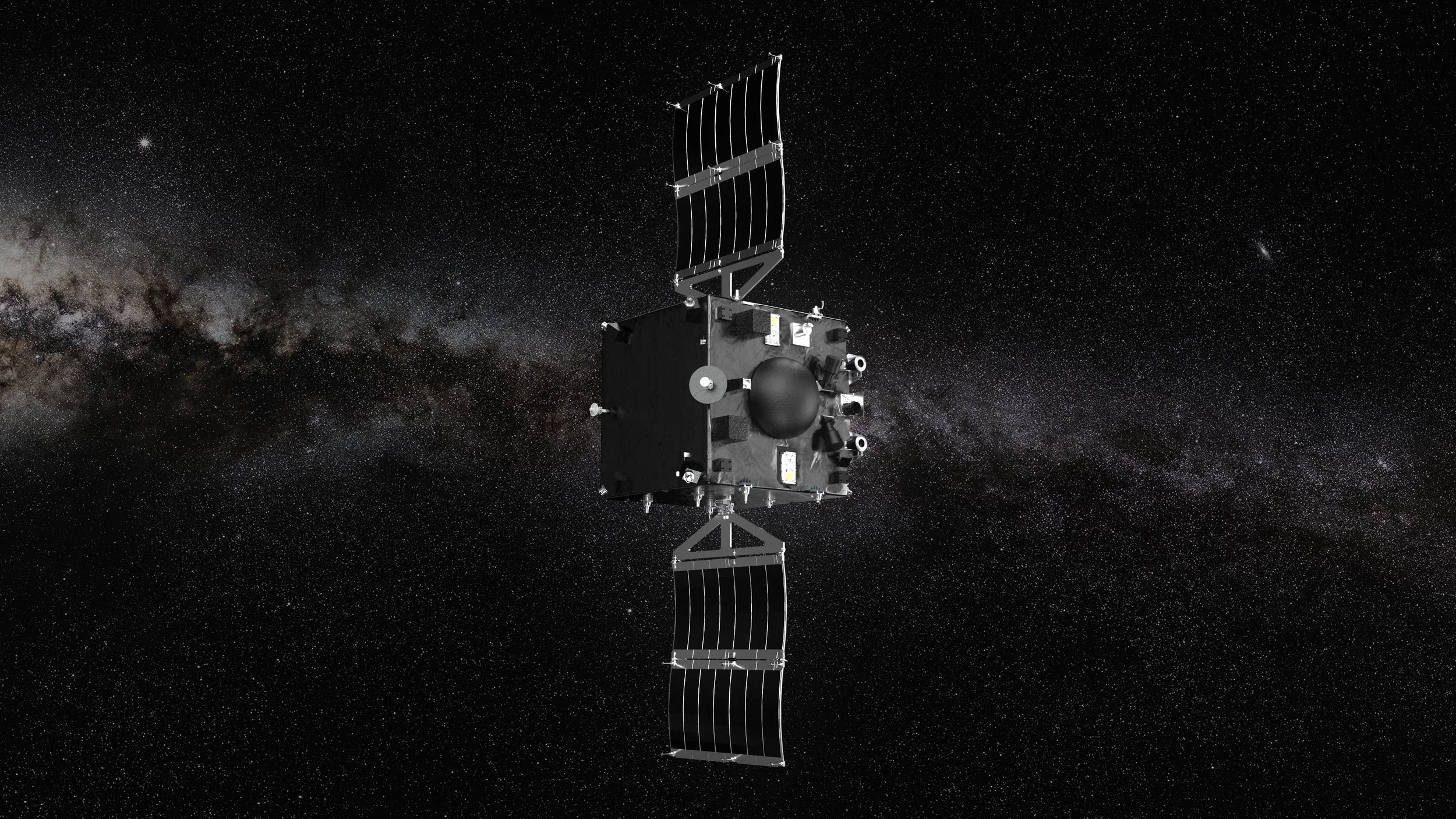

Rapid apophis mission for space safety
Investigating the response in its low-gravity environment of a small near-Earth asteroid to tidal forces exerted by the Earth
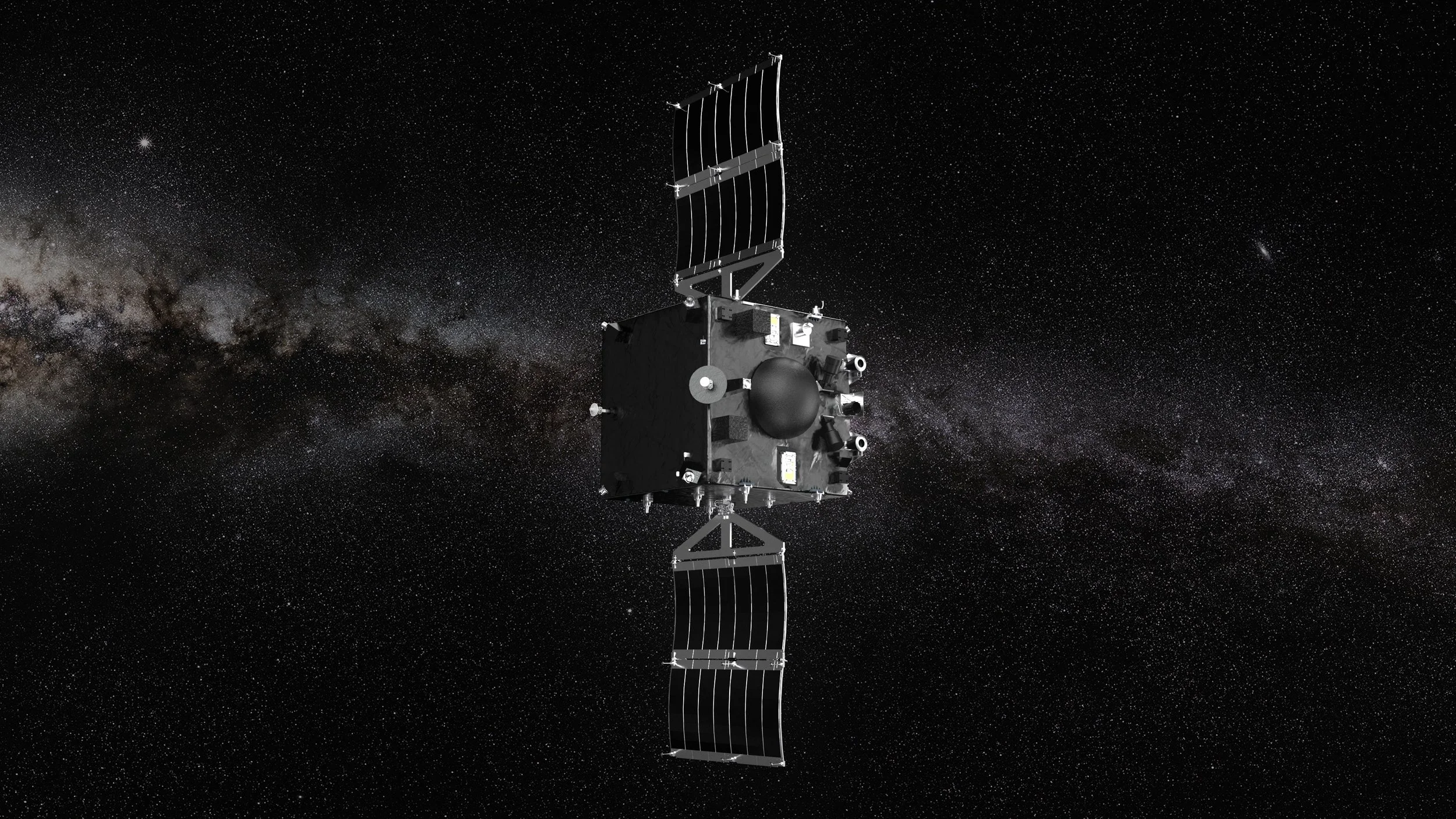
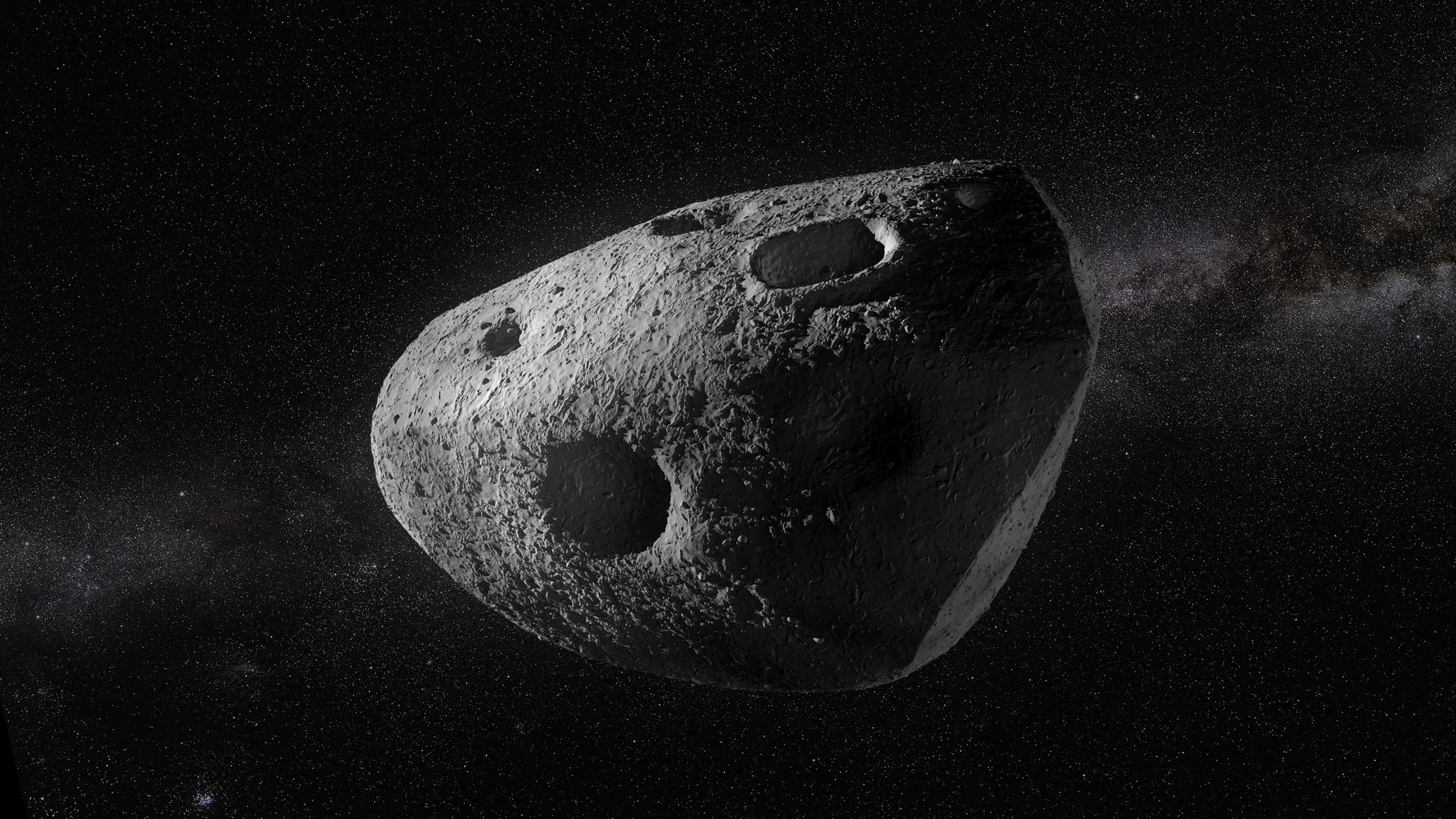
The main purpose of the Rapid Apophis mission for SpacE Safety (Ramses) planetary defence mission project is to support the demonstration and validation of the technology needed to fully understand a hazardous asteroid by means of an array of payloads as well as to improve our understanding of the response of a small asteroid to external forces, which in this case will be offered by Earth’s tidal forces. The physical and compositional properties of Apophis, including its interior, will be characterised in great details before, during and after its closest approach to our planet. This will allow studying the expected modification of the asteroid physical and dynamical properties, as a result of Earth’s tidal forces, allowing scientists to access a “natural laboratory” to verify models on cohesion, strength and response to external forces of asteroids that are key to planetary defense, and transforming our understanding of the internal structure of potentially dangerous asteroids. The findings will improve our ability to defend our planet from any similar object found to be on a collision course in the future.
Once at the vicinity of Apophis, Ramses will deploy its two Cubesats that will operate alongside the main probe. It will conduct multiple measurements of the asteroid's properties, to study possible response in case such a NEA would be on a collision course with Earth. The close approach of the asteroid Apophis to the Earth will happen on Friday, April 13, 2029 with no risk for our planet.
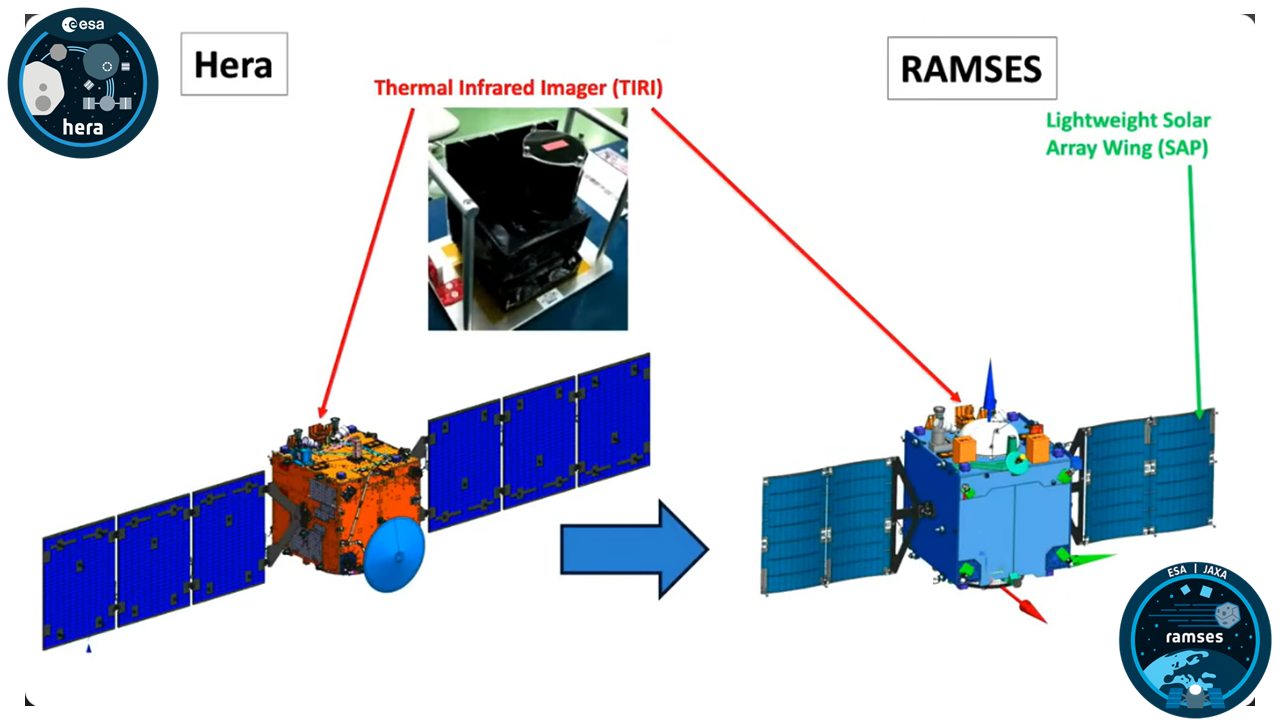
The Ramses mission will leverage much of the technology developed for the Hera mission. The decision whether to continue the development of the mission for launch took place at ESA’s Ministerial Council Meeting on November 27, 2025. In partnership with JAXA, it will launch with the JAXA DESTINY+ mission with a japanese H3 launcher in the period mid April-mid May 2028, to reach Apophis in February 2029.
News & Updates
Featured